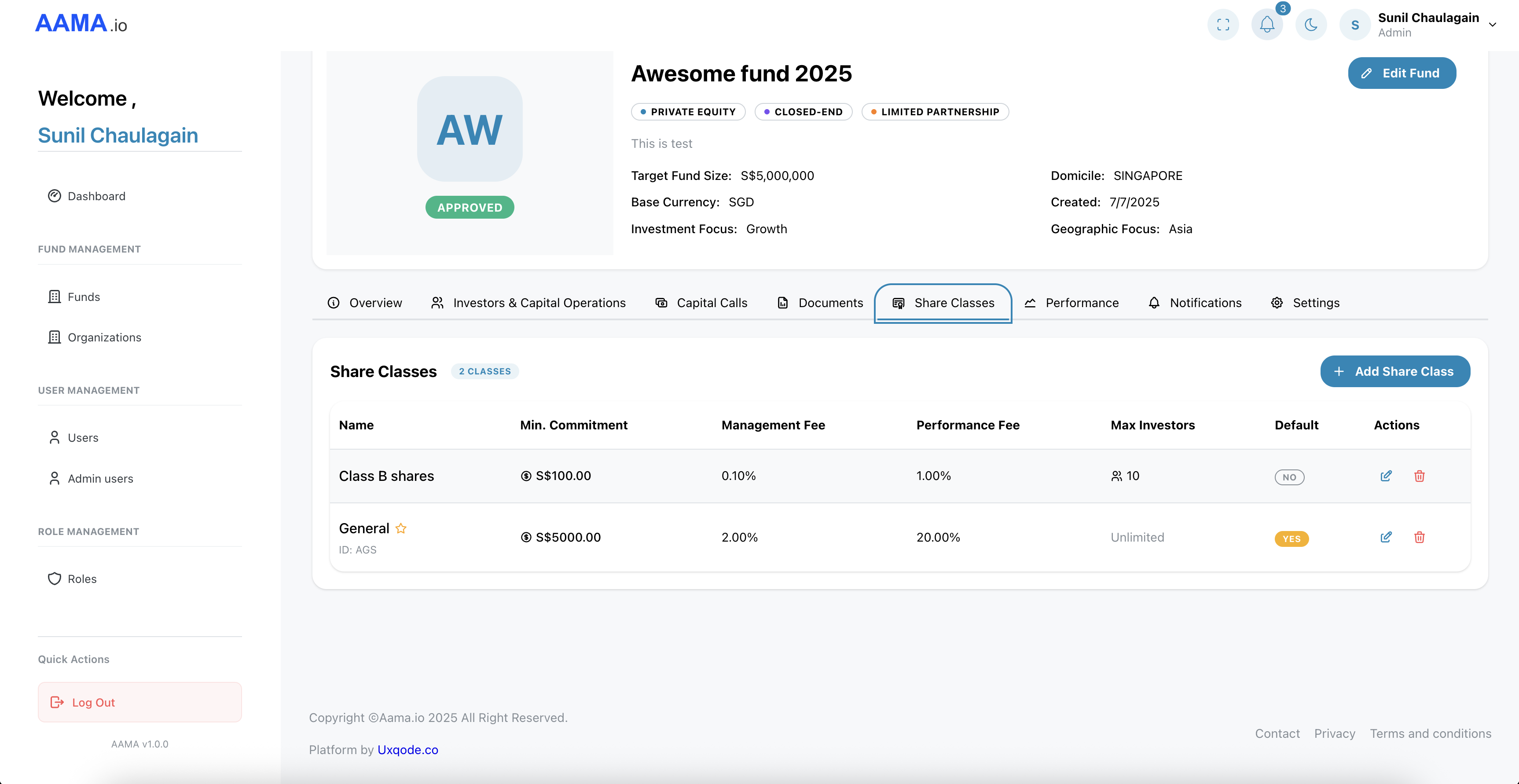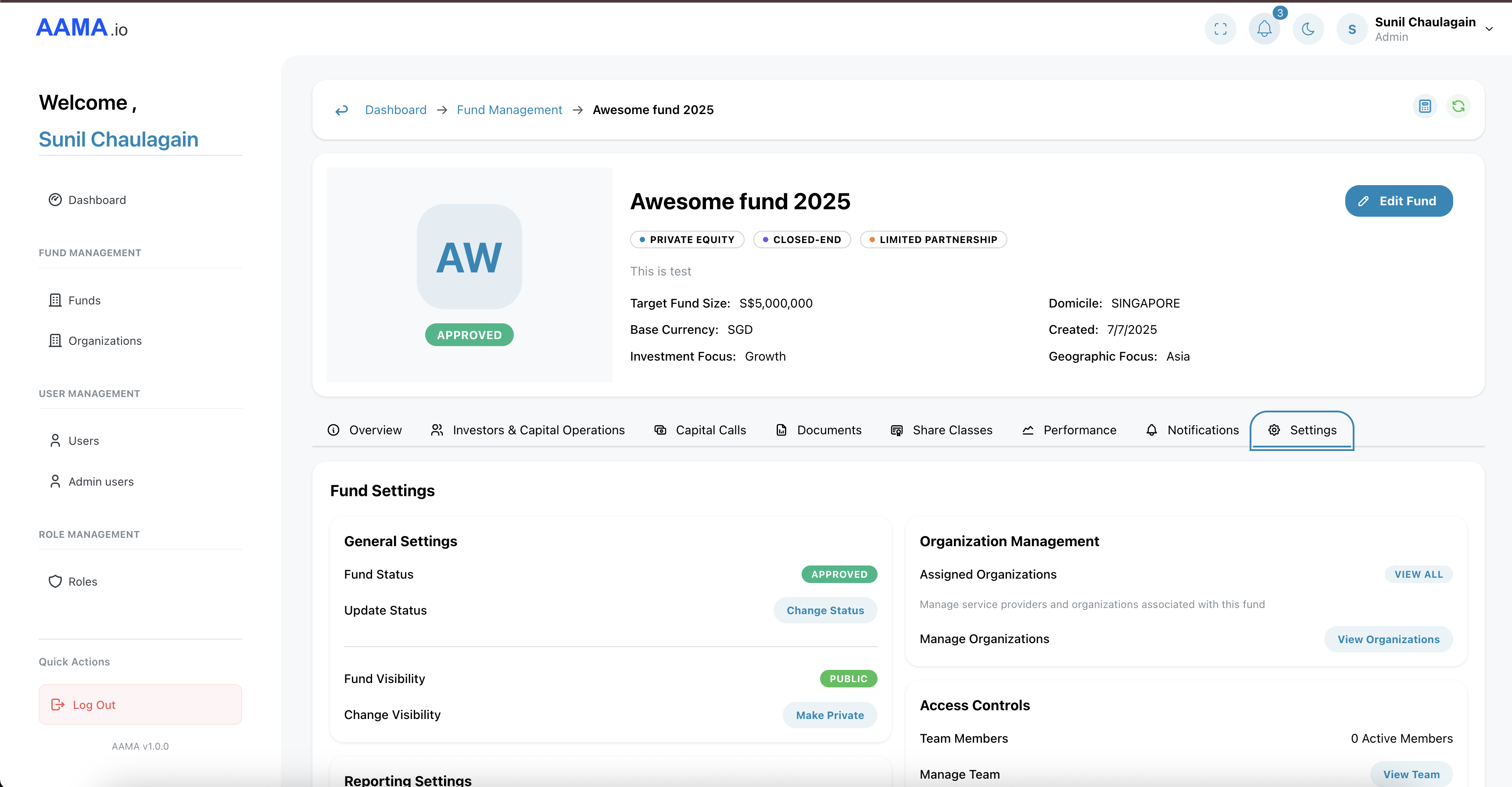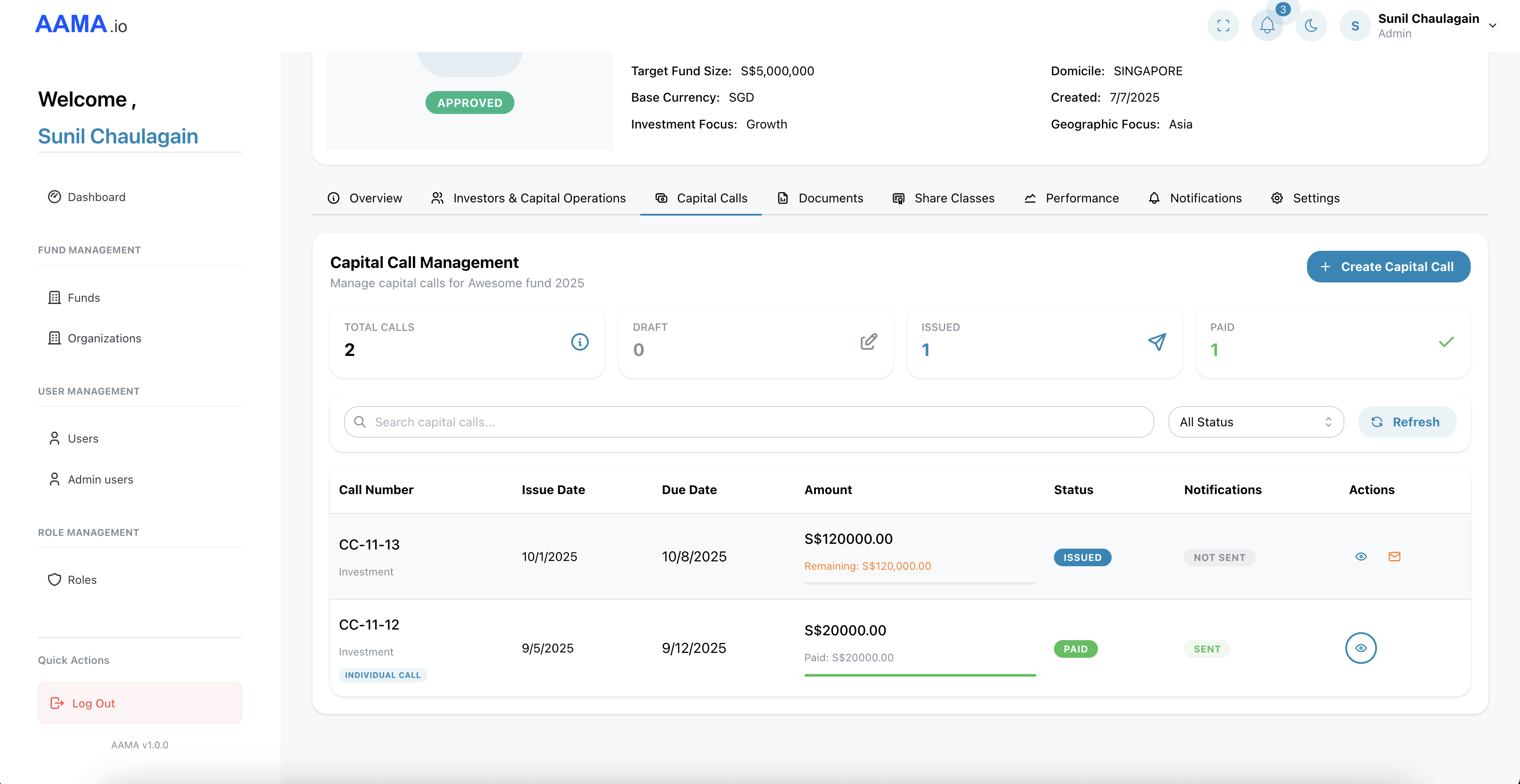
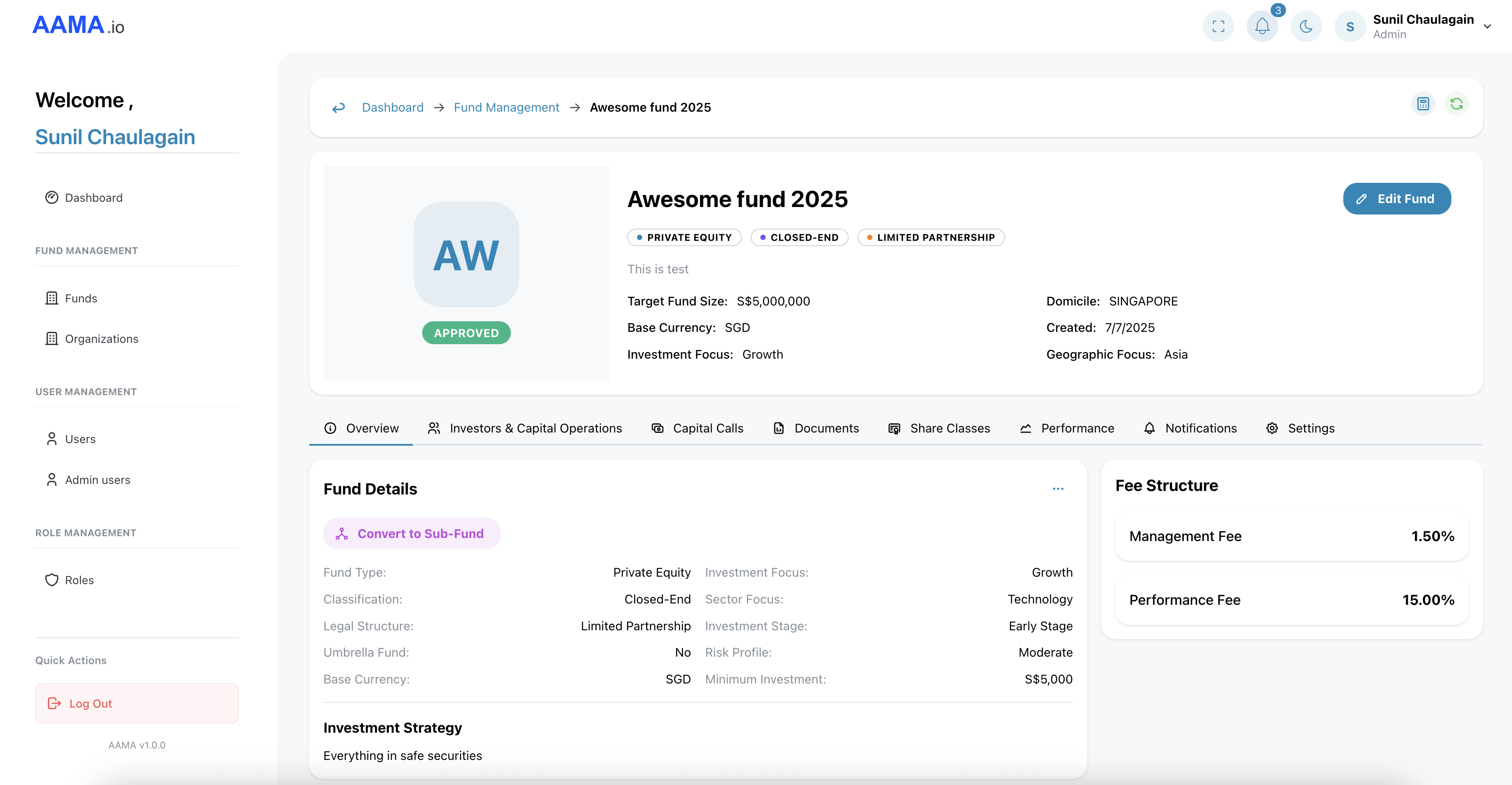
A fund administration platform isn’t just another app — it’s a firm’s source of truth. It holds NAVs, investor registers, capital accounts, and every book investors and auditors trust. If AI recommends bad pipeline steps in a CRM, you fix it next Monday. If AI posts a $500,000 mistake into your fund ledger, “fixing it on Monday” could mean explaining it to a regulator or auditor.
So, before asking, “how do we add an agent?”, the real question is: where should AI decide, and where should it only suggest?
Three Paths for AI in Your Tech Stack
- Traditional software: All workflow is coded. It’s dependable and transparent, but can’t cope with messy, unstructured data.
- Software + LLM: Workflow is coded; specific ambiguous steps use AI, e.g. extracting figures from a messy invoice. AI gives back structured, reviewable results; code still calls the shots.
- Agentic software: AI gets a goal (“reconcile September”), and chooses its own steps, using your system's tools.
Easy rule of thumb: In scenario 2, AI is a helper function. In scenario 3, AI becomes the orchestrator.
Where AI Belongs: Ambiguity & Judgement, Not the Ledger
AI should handle: scanning messy emails, classifying documents, matching ambiguous records, surfacing exceptions, and giving explanations for what doesn’t fit the pattern.
Code should handle: double-entry postings, NAV and unit valuation, complex fee/tax rules, accounting logic, permissions, and all posting and audit-trail controls.
An Example: Explaining a 18-cent Difference
Suppose your bank shows $438.00 from PayPal, but your books show $437.82. A rules engine flags this and waits. An LLM might check past PayPal reconciliations and reply, “0.18 is probably a processing fee.” The accounting engine, not AI, builds the entry:
Dr PayPal expense $437.82
Dr Bank charges $0.18
Cr Bank $438.00
The model didn’t construct the accounting — it interpreted ambiguity. The ledger rules did the rest.
“Never Hand the Agent Your Database”
Give AI safe, limited tools: getInvoice(), searchTransactions(), proposeJournalVoucher(), validateJournalVoucher(). Every action must flow through an API and a validation layer. The agent can suggest — but not directly write.
Calibrate Autonomy by Confidence
A small SaaS invoice with 95% model confidence? Maybe OK for auto-processing. A $100,000 suspicious transfer at 68%? That needs a human. Maximum autonomy isn’t the goal — maximum reliable automation, with controls, is.
And always remember: A model's self-reported confidence isn’t probability. Calibrate it against your history before letting it trigger anything!
What Can Go Wrong?
- Prompt injection: File uploads can hide attack instructions.
- Reproducibility: Auditors will want to know why a decision got made. Log inputs, outputs, model version, approver, everything.
- Data privacy: Don’t let sensitive investor data out of your secure stack without review.
- Model drift: AI models change. Re-test or monitor after each upgrade.
When Should You Use Agents?
Agents shine in the “long tail” — rare exceptions, logic that jumps between systems, odd edge cases a fixed pipeline can’t anticipate. But don’t try to bolt on agents before you have focused AI features working and trusted:
- Extracting clean data from complex documents
- Suggesting the correct GL account
- Proposing journal vouchers, complete with audit trails
- Matching payees across banks/custodians
- Generating explanations for exceptions
Once those are validated, they become tools for agents. You haven’t “replaced” your platform, but composed it into something extensible and safe.
Practical Impact: Transparency, Not Black Boxes
At aama.io, we want platforms to deliver real transparency. Imagine: “Process this month's custodian statement and show me issues.” The system reviews 1,284 transactions, clears 1,271 automatically, flags 9 for manual review, notes 4 with discrepancies, 2 with detected corporate actions — and gives you the facts, not just an answer to trust on faith.
The Agent Isn’t Your Product — Your Workflow Is
Anyone can demo an agent that strings together five APIs. The true product is the audit trails, accounting logic, domain rules, and validation behind it — the “rails” that keep funds safe and processes explainable. The agent is just a smart interface on top.
We don’t think the future is “everything becomes an agent.” The future is “everything becomes AI-accessible, but *not* everything is AI-controlled.”
The real question isn’t “how do we make agents more autonomous?” It’s “where should autonomy responsibly stop?”
This is how we think about AI at aama.io: AI weaves around a deterministic core, with the ledger as the source of truth, and transparency for LPs always at the center.
Want to see where the platform is headed on your own structure? Explore aama.io's SPV administration, or talk to our team.