An SPV is easy to promise a founder and hard to run well. The mechanics that separate a clean vehicle from a painful one are rarely the deal terms — they are the raise, the allocation and the reporting that follow.
Getting the vehicle right from day one
Entity structure depends on where you and your investors sit. A US-based SPV commonly forms as an LLC, relies on a Form D exemption with the SEC, and has to clear state-level "Blue Sky" filings in every state where an investor is resident. A Singapore or wider-APAC vehicle more often sits as a private company limited by shares, or as a sub-fund under a VCC umbrella if it is part of a larger manager's structure — each with its own MAS or ACRA-facing considerations. The details differ by jurisdiction; get local counsel regardless. What travels across all of them is the same principle: decide the entity and the ledger structure together, not the entity first and the accounting as an afterthought.
Avoiding the chicken-and-egg raise
The single biggest risk in getting an SPV off the ground is promising a founder an allocation you then cannot fill. Two habits reduce that risk: set a clear minimum and maximum for the round before you start soliciting commitments, and secure one committed anchor LP early. An anchor does two things at once — it covers a meaningful share of the target and gives every LP after them real evidence the round is happening, rather than a lead asking them to be first.
What to do when a deal is oversubscribed
A hot deal creates its own problem: more commitments than the round has room for. Prorating everyone down and wiring back small refund amounts is the default response — and it is a genuine administrative drag for very little benefit to anyone. A cleaner pattern is keeping one reliable LP "in reserve," willing to flex their ticket up or down, so the lead has room to absorb the difference without touching every other member's allocation.
Reporting: the difference between an SPV LPs trust and one they tolerate
Because an SPV holds one asset, it is tempting to treat it more informally than a fund — fewer updates, looser records, reporting only when something happens. That instinct works against the lead. With no portfolio-level averaging to fall back on, a single missed update or a wrong number in a member's capital account statement is far more visible than the same mistake buried in a twenty-company fund. Send regular updates even when there is nothing to report beyond "no change," keep an accurate capital account per member, and get local tax documentation right for wherever your members actually sit — a K-1 in the US, or the jurisdiction-appropriate equivalent elsewhere. A reliable administrator matters more on a single-asset vehicle, not less.
Manual administration does not survive your second SPV
Subscription documents as PDFs passed around by email. A cap table in a spreadsheet. Carry and distribution math recalculated by hand for every close. All of this is survivable for one vehicle. It stops being survivable at three or four, run in parallel, each with its own commitments, capital calls and reporting calendar. The operational answer the industry has largely converged on is the same one fund administration reached years earlier: move subscription, KYC, cap table and accounting onto one system per vehicle instead of a folder of documents per deal.
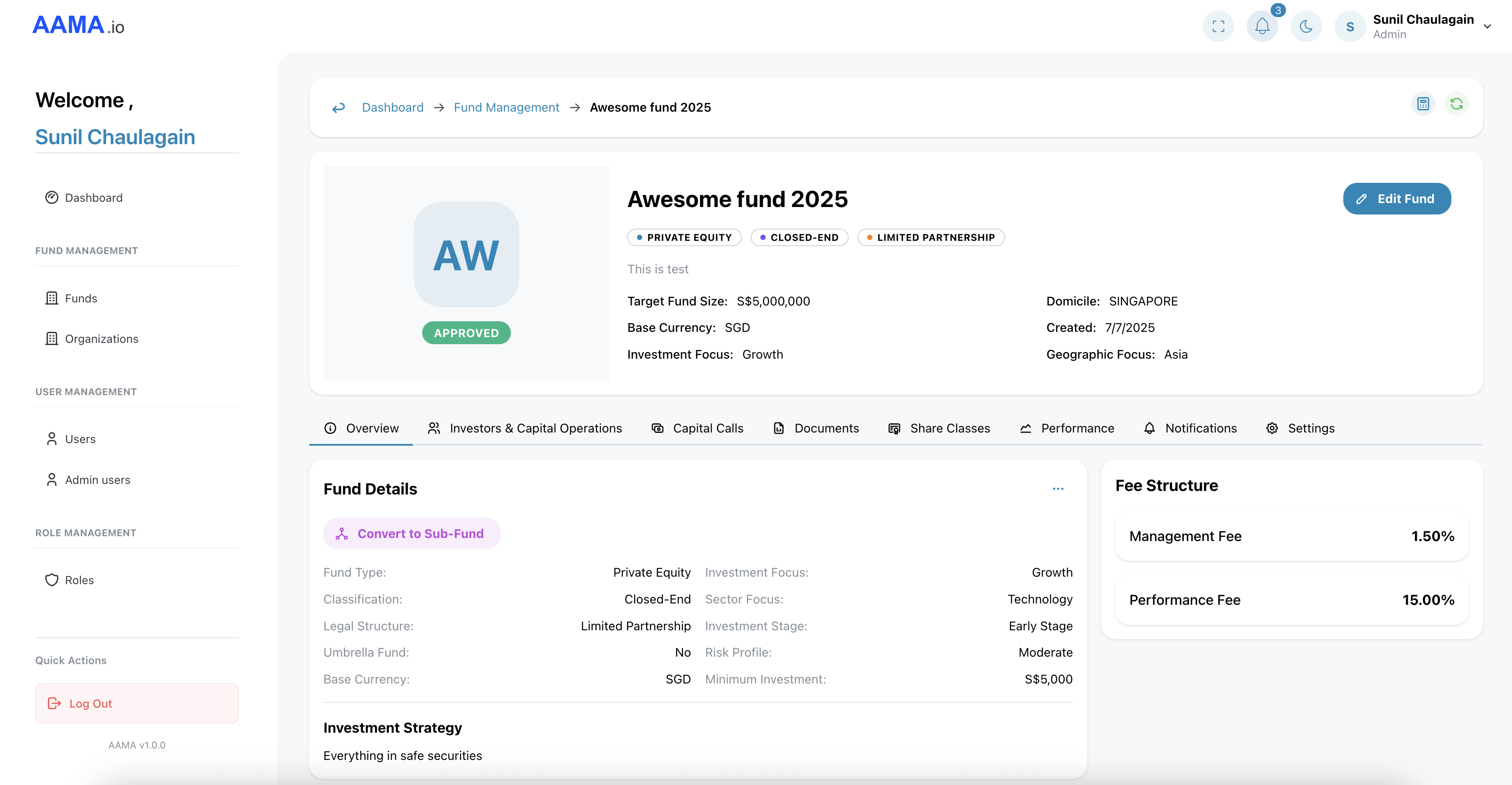
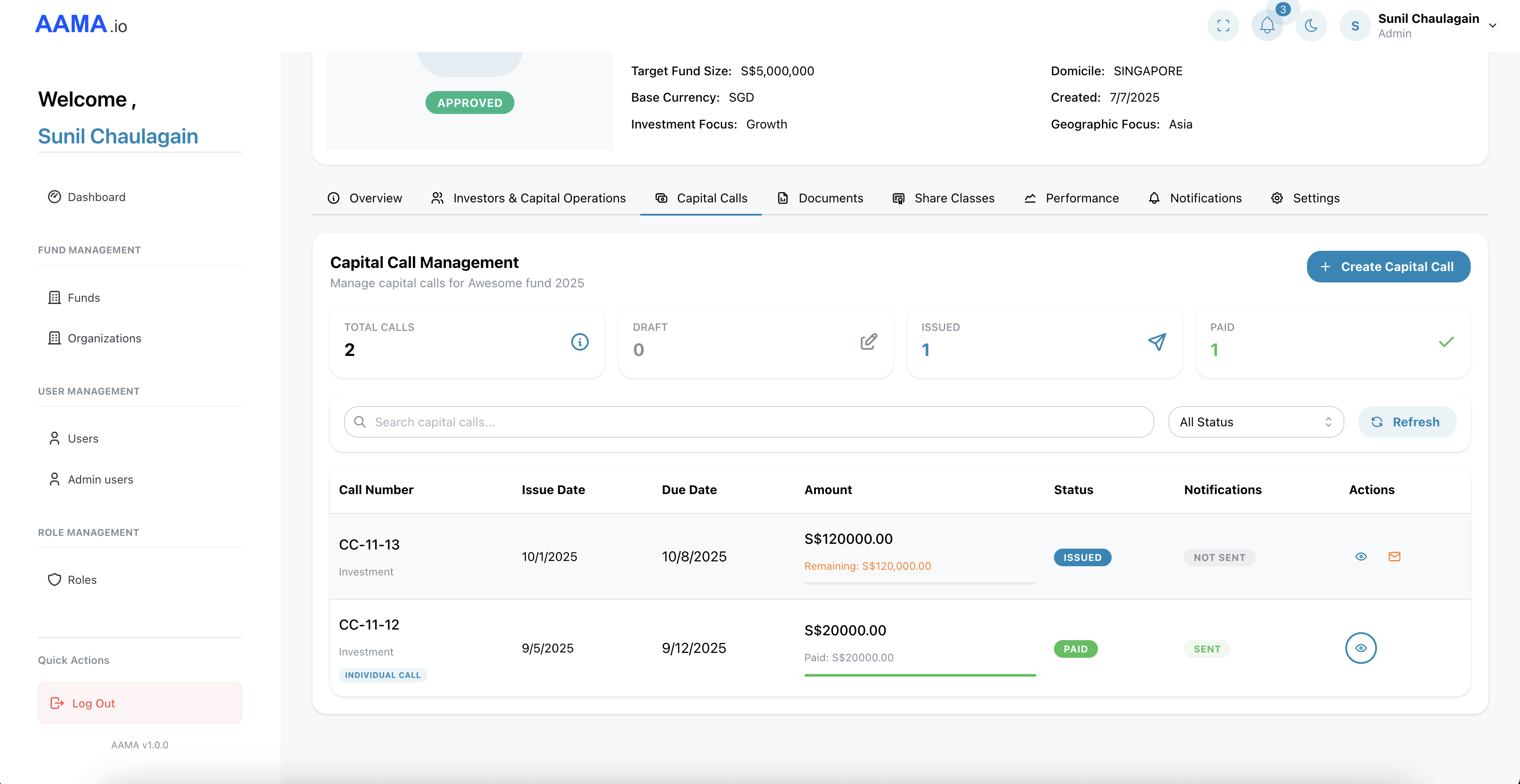
That is the gap aama.io's SPV & syndicate administration is built to close — templated vehicle setup with subscription documents and e-signatures, KYC/AML on every member, automated lead carry and deal-fee calculation, and NAV, a general ledger and IFRS-ready statements behind every vehicle, whether you are running one SPV or fifty from the same dashboard.
For why managers and LPs reach for an SPV in the first place, see the companion piece: The Swiss Army Knife of Venture. For the problems that show up once the vehicle is running — and how to fix them — see 7 SPV Administration Problems Every Manager Hits.
This article is general information about common SPV administrative practice, not legal or tax advice. Entity choice, securities filings and tax documentation requirements vary by jurisdiction and change over time — confirm the current position with qualified local counsel before setting up a vehicle.
Managing more than one SPV already? Talk to our team about consolidating them onto aama.io.