Singapore is the natural home for a deal SPV when the asset, the investors or the bank account are in Asia. Formation through ACRA is straightforward. The part that surprises people who have only run a Delaware SPV is the shape of the vehicle: a Singapore SPV is usually a private company, taxed as a company, with a director who lives in Singapore. There is no Schedule K-1.
When Singapore is the right wrapper
Choose Singapore when the investors, the asset or the banking relationship are in Singapore or the wider region, and you want a company that local banks, lawyers and auditors already recognise. Choose Delaware when the deal and most of the investors are in the US and they expect a partnership and K-1s. Choose Cayman or BVI when institutional LPs want a tax-neutral offshore company. The SPV Jurisdiction Comparator puts the four side by side.
A single-deal syndicate is not the same thing as a fund. If you are raising a blind pool, calling capital over years, or need sub-funds under one umbrella, look at a variable capital company and how to start a fund in Singapore instead of stretching a private company into a fund.
Pte Ltd, VCC or something else
- Private company (Pte. Ltd.). The usual single-deal SPV. Incorporated with ACRA, limited liability for shareholders, fixed share capital, and corporate tax at the company. The sponsor is typically a director and shareholder; investors take shares.
- Variable capital company (VCC). Built for funds. Capital can go up and down with subscriptions and redemptions, and an umbrella VCC can hold segregated sub-funds. Overkill for one closed deal, and the right answer for a fund. See what a VCC is.
- Limited partnership or LLP. Sometimes used where the economics need a general partner and limited partners. Less common for a simple syndicate than a private company. Take advice before you rely on it.
The formation sequence
- Check the name with ACRA. The name application is a small fee and is separate from registration.
- Appoint at least one director ordinarily resident in Singapore. A citizen, permanent resident or eligible pass holder. Many foreign sponsors use a nominee director. That is a real annual cost, not a formality.
- File the incorporation. As listed on our cost tools (checked October 2026), registration is S$300 after a S$15 name application, S$315 in all. ACRA’s schedule changes, so confirm the current fee before you file.
- Set the constitution and the shareholder terms. This is where the economics live: share classes, contributions, carry, expenses and how proceeds are shared. Most of the legal cost sits here, not in the ACRA fee.
- Appoint a company secretary. A private company must appoint one within six months of incorporation, and the secretary must be ordinarily resident in Singapore. You also need a registered office address in Singapore.
- Onboard investors. Subscription documents, eligibility checks, KYC/AML and the share allotment, before money moves.
- Open the bank account. Often the real bottleneck, even when incorporation itself takes a day or two. The SPV Formation Checklist shows a realistic critical path.
Indicative setup and first-year ranges are in the SPV Formation Cost Estimator. Government fees are passed through at cost and are not inside the aama.io SPV price.
The securities side: do not skip it
Offering shares in an SPV can be an offer of securities under the Securities and Futures Act. Exemptions exist, including for accredited investors and certain small offers, but which one applies depends on who you approach and how. That is a question for Singapore counsel, not for the administrator. The administrator still has to keep an investor register that matches the exemption you relied on.
Whether the sponsor needs an MAS licence is a separate question. Holding one asset inside a company is not the same as managing third-party money as a fund manager. Read the licensing guide and confirm your own position. The SPV does not answer it for you.
What running a Singapore SPV actually involves
Once the money is in, administration is a company calendar, not a US partnership calendar:
- Annual return to ACRA. The filing fee on our cost tools is S$60 (checked October 2026). The return keeps the company’s public particulars current. Missing it affects the company’s standing.
- Corporate income tax. The headline rate is 17%. A single-asset holding company often has little taxable profit, but it still has a filing obligation with IRAS. There is no pass-through and no K-1. Investors are shareholders, not partners.
- Registers. Members, directors and the register of registrable controllers. Keep them current when someone transfers or a new director is appointed.
- Resident director and secretary. Both have to stay in place. If the nominee director resigns, replace them before the company is in breach.
- Accounts. Financial statements each year. Whether an audit is legally required depends on the small-company test and on what the bank or the investors have asked for. Confirm the current test with your auditor rather than relying on an old threshold.
- FATCA and CRS. Investor-level reporting still applies. The workload grows with the number of investors, not with the size of the deal.
The investor-facing work behind the filings
- A capital account, or share account, per investor. Contributions, allotments, distributions and any fee or carry, reconciled to the bank. The financial statements have to agree with that register.
- Carry and waterfall calculations. Simple until a side letter, a fee break or a follow-on appears. See why side-letter terms break month-end.
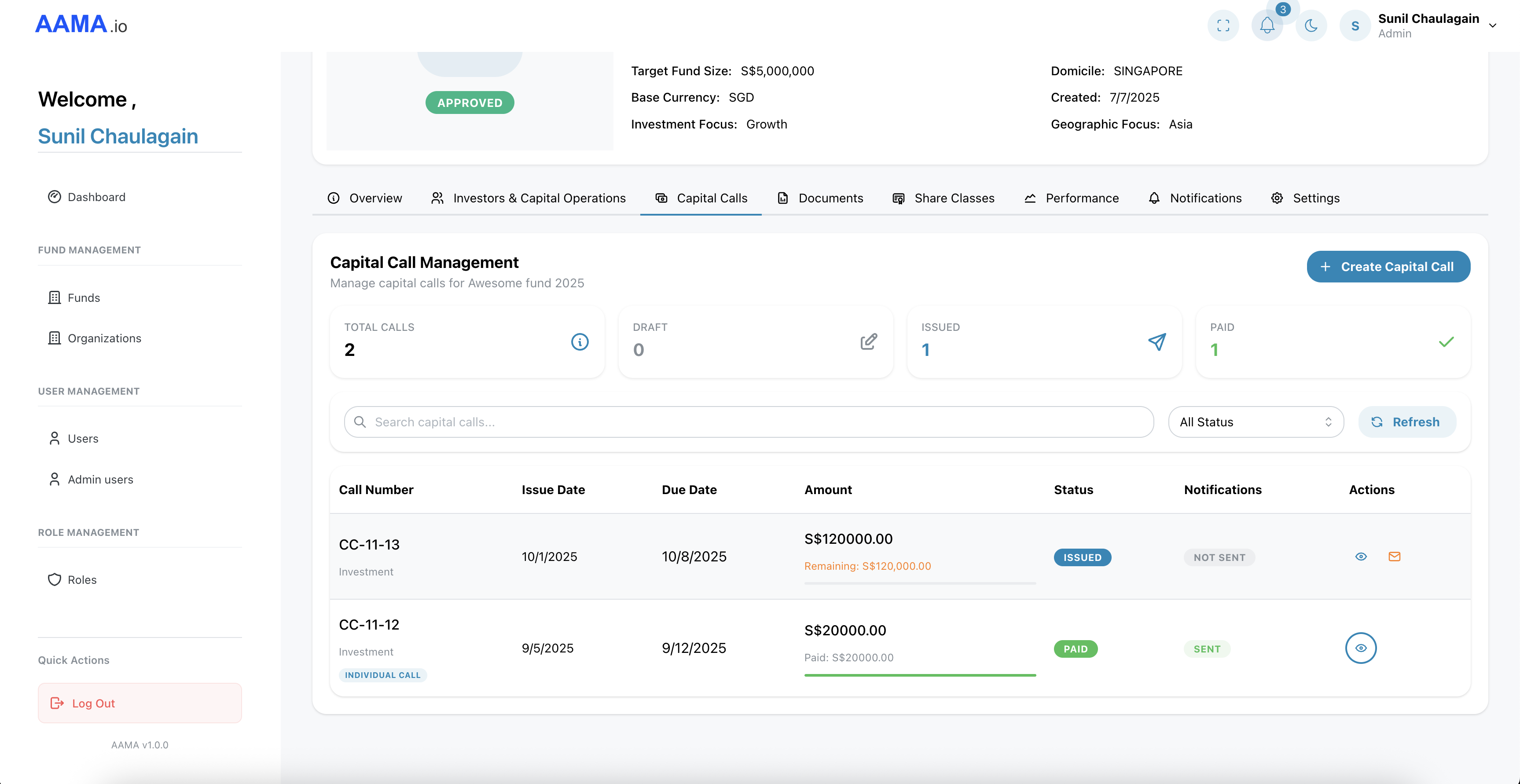
- Capital calls and distributions. Notices, who has funded, and how exit proceeds are paid. The Capital Call Schedule helps plan the calls.
- Investor reporting. Statements that match the ledger. If they do not, the annual accounts will not either.
Where Singapore SPVs go wrong
- Using a private company for a fund. Fixed capital and a company tax return are the wrong tools for an open-ended raise. That is a VCC conversation.
- Assuming it works like Delaware. No K-1, no June 1 franchise-style tax, and you cannot skip the resident director.
- Nominee director with no calendar. The annual return, the tax filing and the controller register still have to happen when the deal is quiet.
- Books in a spreadsheet. Fine for one SPV, not for ten. The seven recurring SPV administration problems mostly start here.
- No strike-off plan. After the final distribution the company still exists, and the director, secretary and annual return continue until you apply to strike it off or wind it up.
Winding down
After the final distribution, prepare the final accounts and tax return, settle what ACRA and IRAS still require, and apply to strike the company off or wind it up with your corporate secretary. Keep records for the period your adviser sets. Closing the company stops the annual return, the nominee director and the secretary from running on a vehicle that no longer holds anything.
What aama.io does
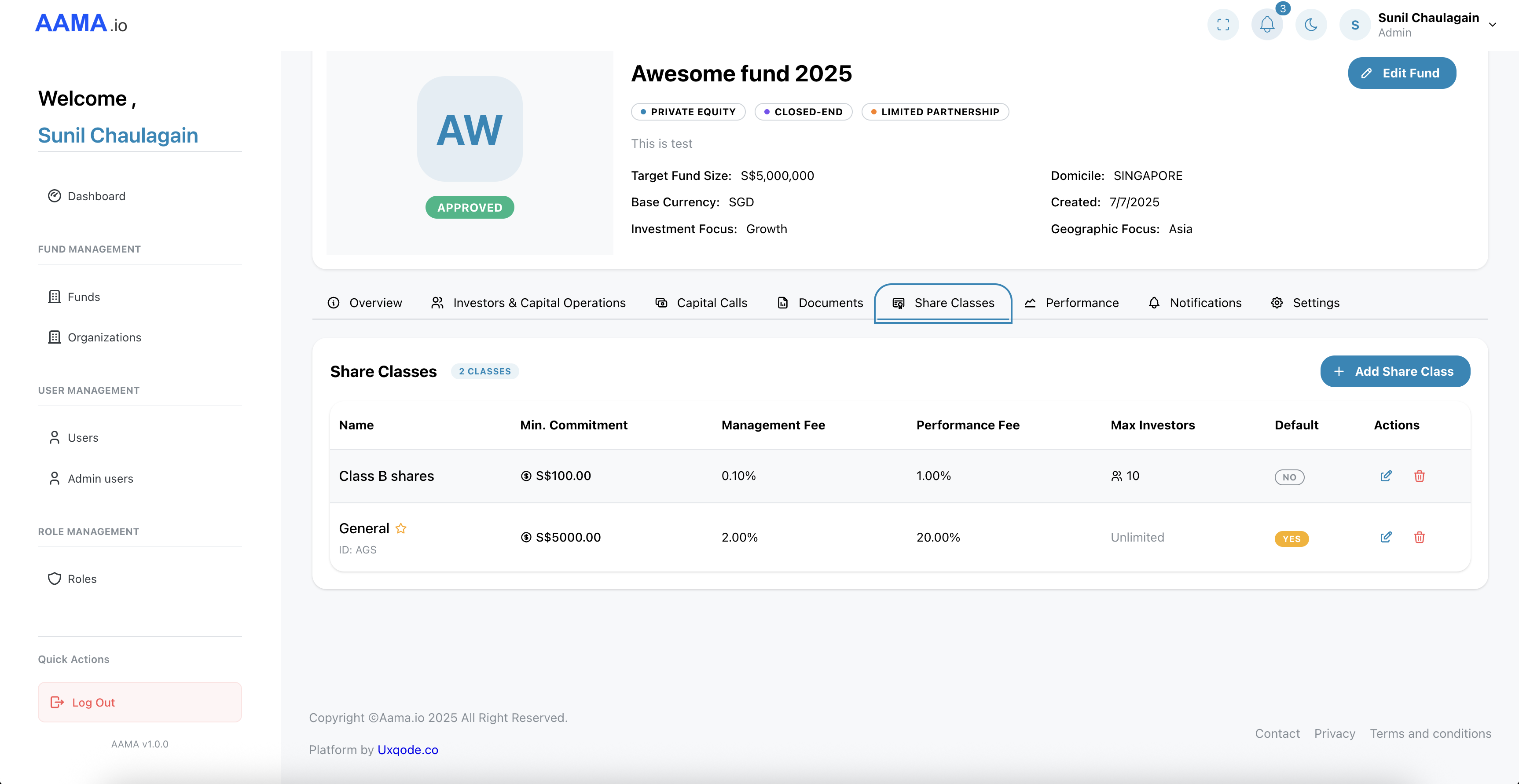
On aama.io a Singapore SPV is a first-class vehicle: investor register and onboarding in the LP portal, capital calls, distributions and a per-investor record in the books, with side-letter terms carried into the economics. Your corporate secretary and tax agent still file with ACRA and IRAS. We do not incorporate companies or give legal or tax advice. See SPVs & Syndicates and What is a Singapore SPV?
General information about Singapore SPV practice, not legal, tax or investment advice. Fees, residency rules and filing dates change. Confirm each point with Singapore counsel, a corporate secretary and a tax adviser before acting. Government fee figures above match our cost tools as checked in October 2026.
Running Singapore SPVs and still rebuilding the register in a spreadsheet? Talk to our team about administering them on aama.io.