
Ask a VC why they are running a deal through a separate vehicle instead of the fund, and the answer is almost never "because it's trendy." An SPV solves a specific, recurring problem: the fund's structure does not fit this particular check.
A single-asset fund, not a smaller one
A traditional venture fund is a blind pool — LPs commit capital before knowing which companies it will back, and the manager allocates across a portfolio over several years. An SPV inverts that: it exists to hold one specific company. Investors see the asset before they commit a dollar. Same wrapper mechanics — capital calls, a cap table, distributions, reporting — built around a single line item instead of twenty or thirty.
Why VCs reach for one instead of the fund
Three situations come up constantly:
- The fund's reserves are spent. A breakout portfolio company raises again, the fund's follow-on reserve is already allocated elsewhere, and the manager still wants in — an SPV lets existing and new LPs fund the check without touching the fund itself.
- The deal sits outside the fund's mandate. High conviction on a company that does not fit the fund's stage, sector or geography thesis. Rather than stretch the fund's mandate, the check goes through its own vehicle.
- Ownership limits inside the fund. Funds often cap how much of a single company one vehicle can hold. An SPV lets a manager go further into a winner without breaching that limit at the fund level.
What it costs — and who it is cheap for
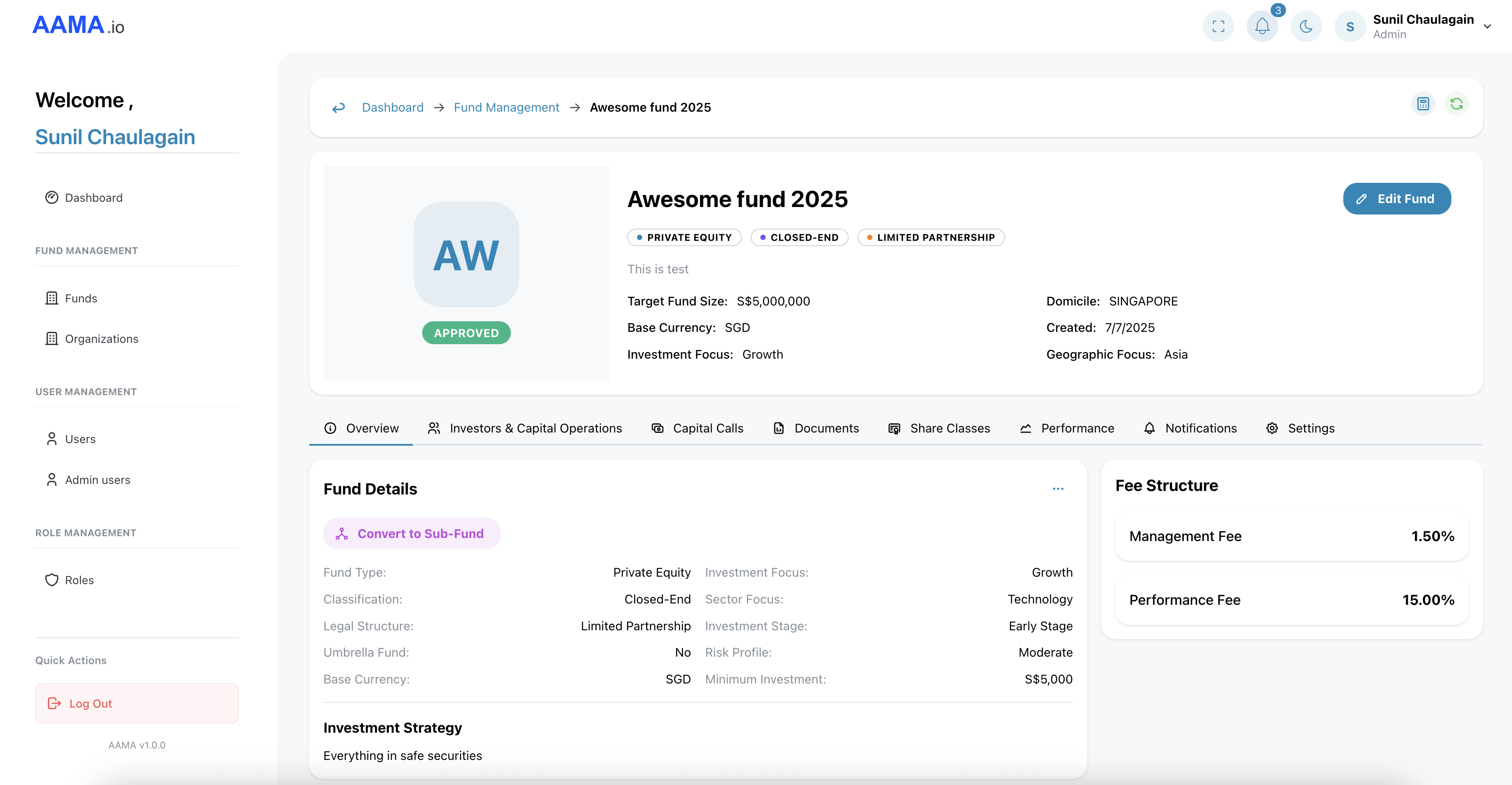
SPV economics are lighter than a full fund, though terms vary deal to deal. Rather than an annual management fee, most SPVs run on a one-time expense reserve that covers legal, administration and banking costs for the vehicle's life. Carry is commonly in the mid-to-high teens, and a hurdle rate — often around 8% — is increasingly standard practice before the lead participates in the upside. For LPs, that combination often means lower or no management fee and direct, transparent exposure to one company, instead of a blended position inside a multi-asset fund.
What an LP is actually signing up for
The same structure that makes SPVs attractive also concentrates the risk. Before committing, it is worth being explicit about four things:
- No diversification. This is a single bet. If the company fails, the vehicle returns nothing — there is no portfolio-level averaging to soften it.
- Information asymmetry. Private companies rarely owe SPV investors the reporting rights a lead investor gets. Ask up front what updates, if any, you will actually receive — many LPs end up holding a position at cost until the company has an exit or a markdown event.
- What is the manager's conviction actually built on? There is a real difference between a lead who has diligenced the company directly and one riding market interest in a hot round. Ask what they know that isn't in the deck.
- Operational expectations. How fast does capital need to move once you commit? Is there one capital call or several? What does reporting look like for the life of the vehicle? A well-run SPV answers these before you wire funds, not after.
The other side of the table: founders
SPVs are not only a VC tool. A founder juggling a dozen angels, an advisor and a few friends-and-family checks can route all of them through a single vehicle instead of a dozen lines on the cap table. The company sees one entity; the SPV lead handles the individual relationships, KYC and reporting behind it.
Where the mechanism breaks down
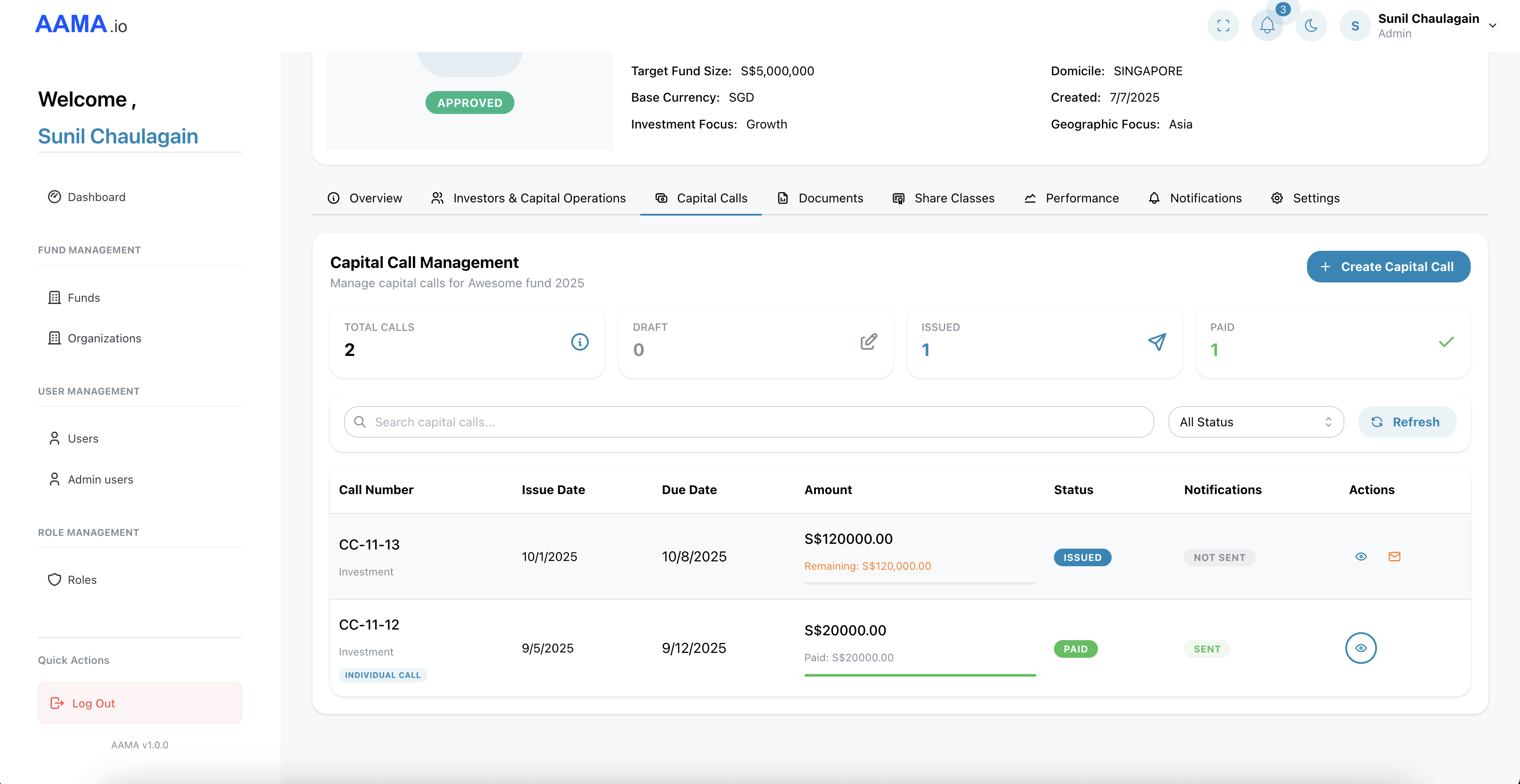
The vehicle itself is simple. Running several of them is where spreadsheets stop being adequate — tracking commitments and capital calls, calculating lead carry correctly against the actual proceeds, producing a capital account statement per member, and keeping KYC and subscription documents somewhere other than an inbox. That is fund administration, scaled down to one asset per vehicle rather than removed.
See how aama.io administers SPVs and syndicates — vehicle setup, member onboarding, carry automation and IFRS-ready accounting on the same engine that runs multi-asset funds. For the administrative side of running one well, see the companion piece: SPV Administration: Best Practices for Setting Up and Managing a Single-Asset Vehicle, or the deeper series on the 7 problems every SPV manager hits and how to fix them.
This article is general information about how SPVs are commonly structured, not investment, legal or tax advice. Fee structures, carry and hurdle terms vary by deal and jurisdiction — confirm the terms of any specific vehicle with its lead and your own advisers before committing capital.
Running SPVs or a syndicate today? Talk to our team about moving the administration onto aama.io.