Secondaries and continuation vehicles (CVs) are one of the fastest-growing sources of new private-market vehicles. Each GP-led deal spins up a structure that must onboard electing LPs, record who sold, call capital and report cleanly. That is fund administration under time pressure — not a trading desk.
What a CV actually is (for operators)
A continuation vehicle is a new fund or SPV that takes assets (or LP interests) from an existing vehicle so the manager can hold winners longer while giving selling LPs an exit. Operationally, the hard parts are:
- Linking source → CV. Everyone must know which deal or fund this vehicle continues.
- Elections. Each LP chooses roll or sell (or stays undecided) against their source commitment.
- Onboarding rollers. Electing LPs become investors in the new vehicle — KYC, subscription, soft-circle or commitment, then capital ops.
- Reuse of admin. Capital calls, distributions and reporting should not be reinvented for CVs.
What you can skip at MVP (and still be credible)
A full secondaries desk — bid processes, deferred consideration, escrow economics, stapled primary — is a multi-quarter product. Most emerging managers and SPV leads need the admin path first: create the CV from the source deal, seed elections from existing fund investors, mark roll/sell, then invite rollers into the LP portal. That is enough to run the vehicle without pretending you cleared a transfer window.
How this fits Singapore and VCC structures
Many APAC managers will house a CV as a new SPV, a new sub-fund under a VCC umbrella, or a standalone fund. The legal choice is counsel’s; the admin requirement is the same — ring-fenced books, investor elections and a clean trail from the source vehicle. See also What is a continuation vehicle?.
What aama.io does today
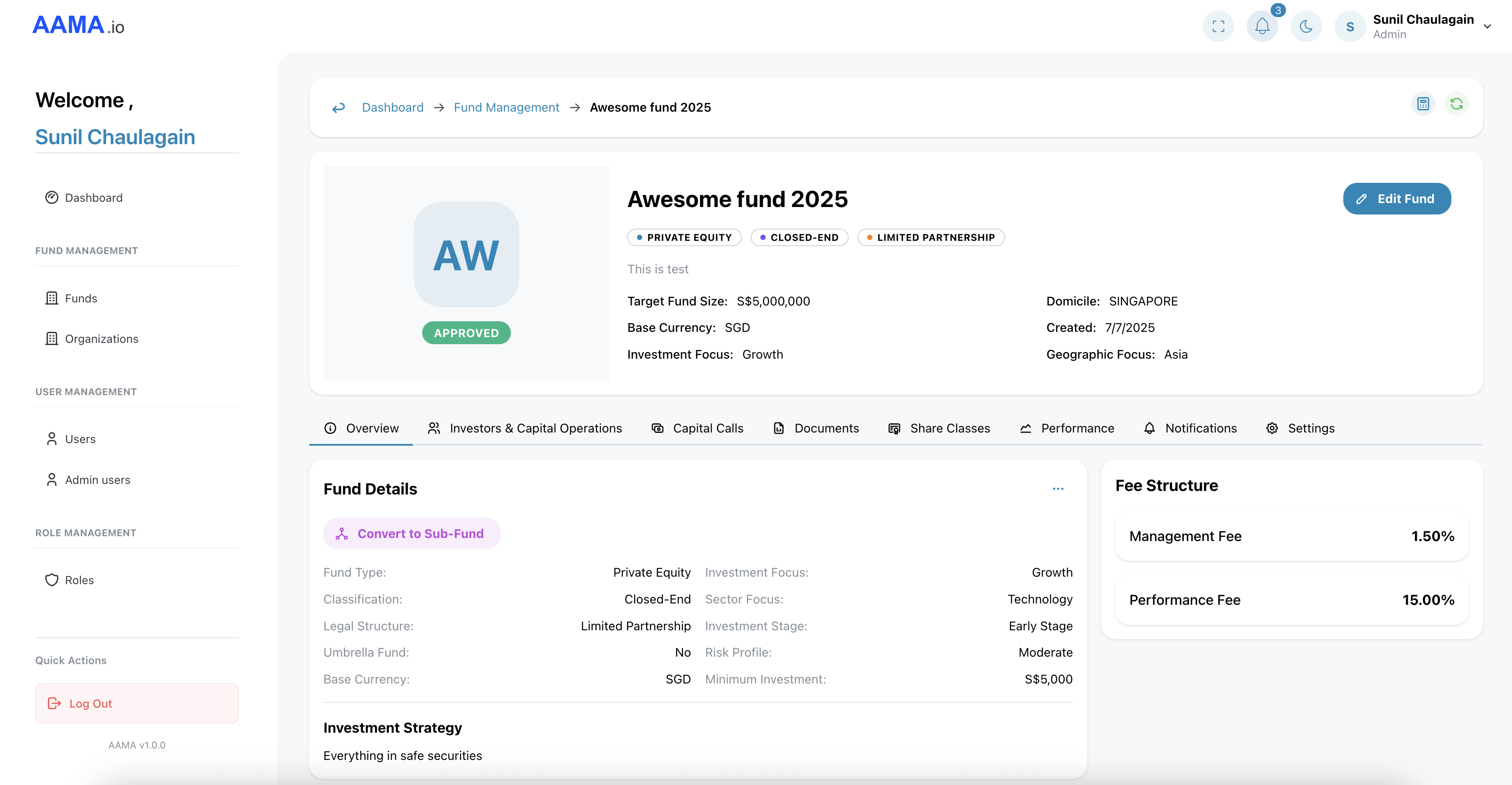
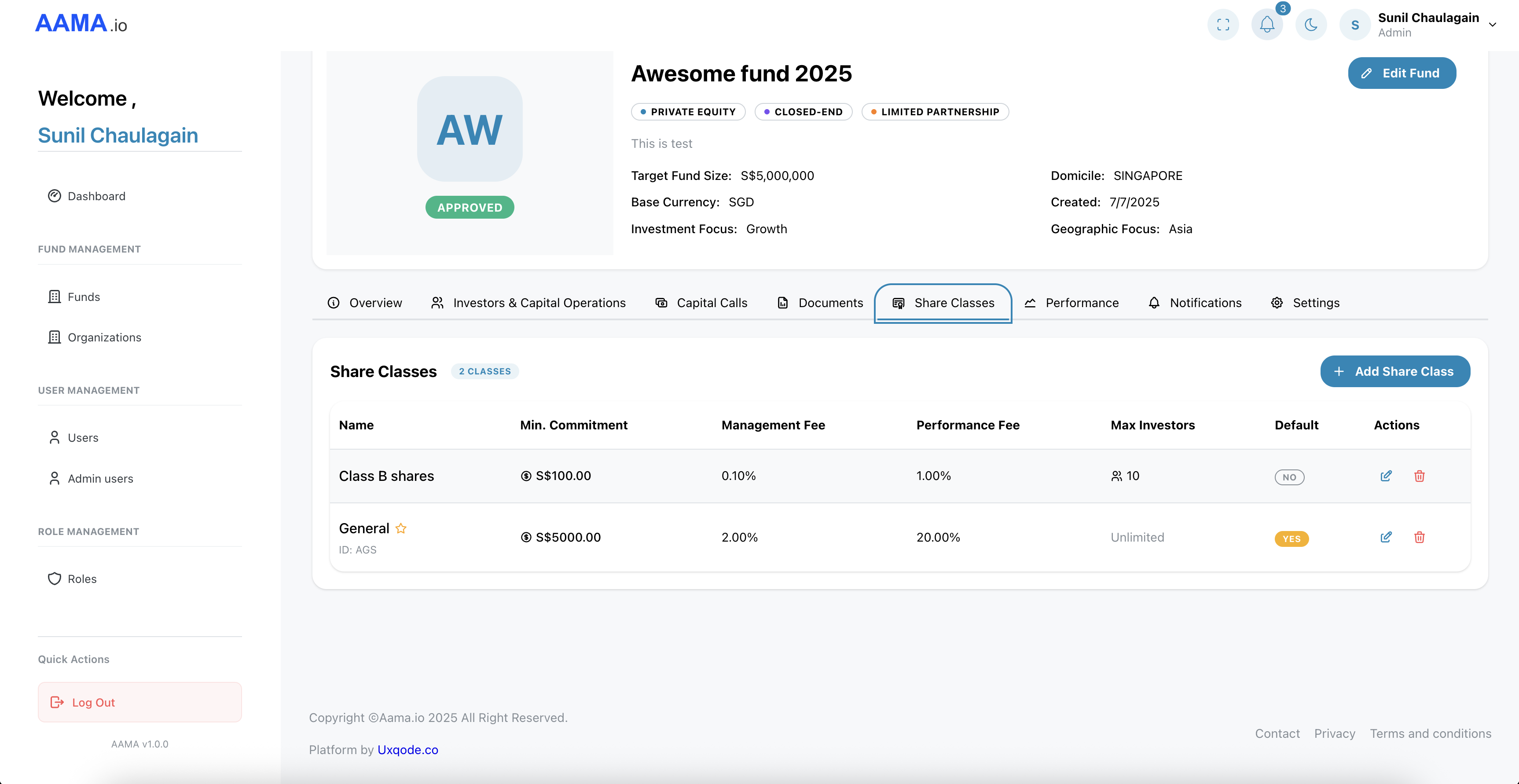
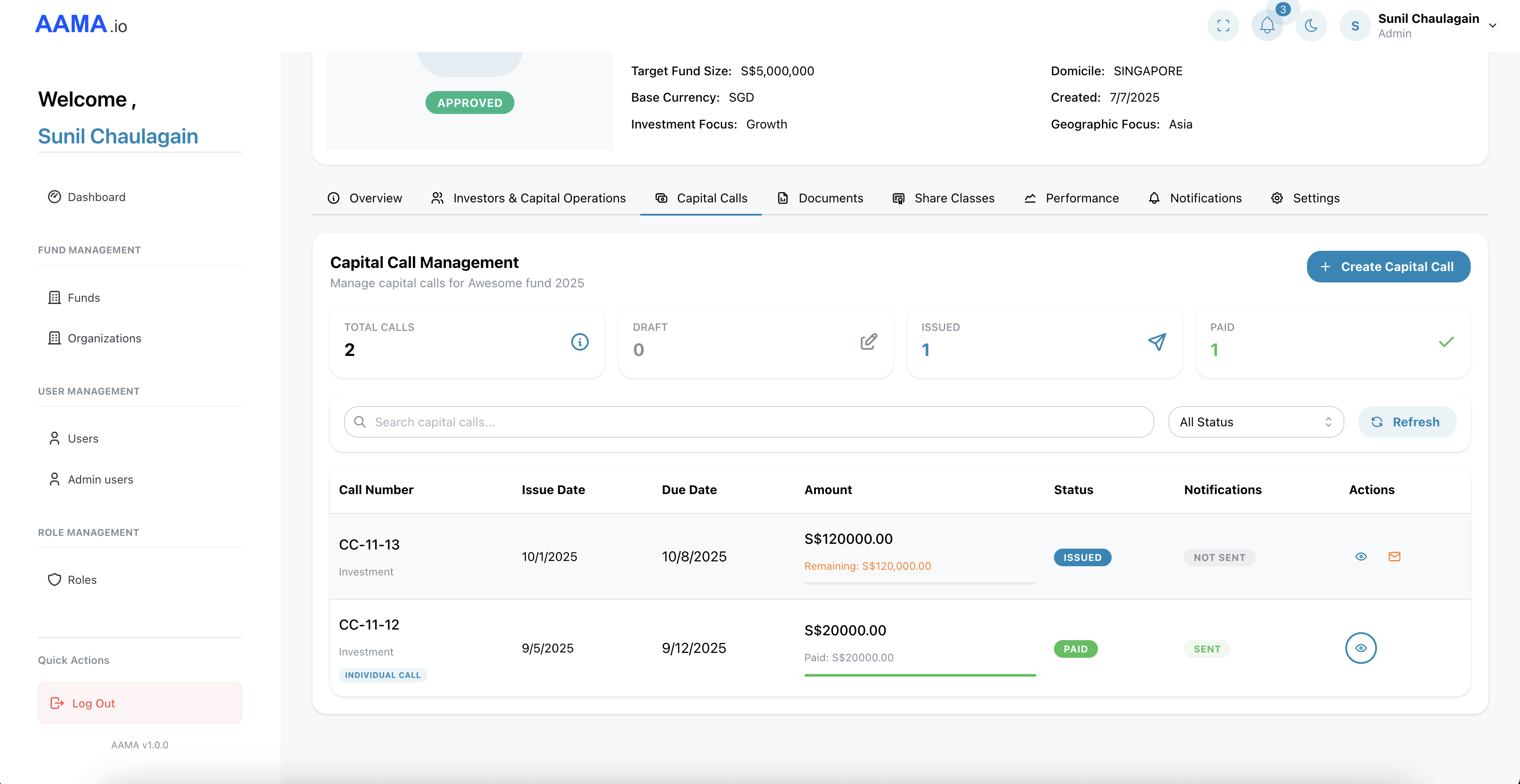
From an SPV deal you can create a linked continuation vehicle, seed roll/sell elections from the source fund’s investors when a fund exists, update elections in the UI, and invite rolling LPs through the same invite pipeline used for syndicates and ordinary SPV members. Capital calls and reporting stay on the CV’s linked fund once published.
For single-deal admin fundamentals, start with SPV administration best practices and the SPVs & Syndicates solution page. For syndicate roster mechanics on the same stack, see True Syndicates vs Invite Links.
General information about vehicle administration, not legal, tax or investment advice. GP-led secondaries and CVs involve conflicts and disclosure obligations — use qualified counsel for each transaction.
Planning a GP-led continuation? Talk to our team about standing up the CV on aama.io.